Development of the Cherry Hill Peninsula

The radio news report broadcast remarks by Mike Anderson, vice president of Legend Properties, who said Southbridge at Cherry Hill is an example of "smart growth." My hands tightened on the steering wheel and I shook my head. How "smart" is it, I asked myself, to destroy the ecology of one of the few wild places left in Northern Virginia to create a development that could be built somewhere already zoned for residential and commercial uses?
-- Larry Evans, Fredericksburg Free Lance Star Columnist, January 2001


More Information about the
Cherry Hill Peninsula & the Southbridge/Harbor Station Development Plan:


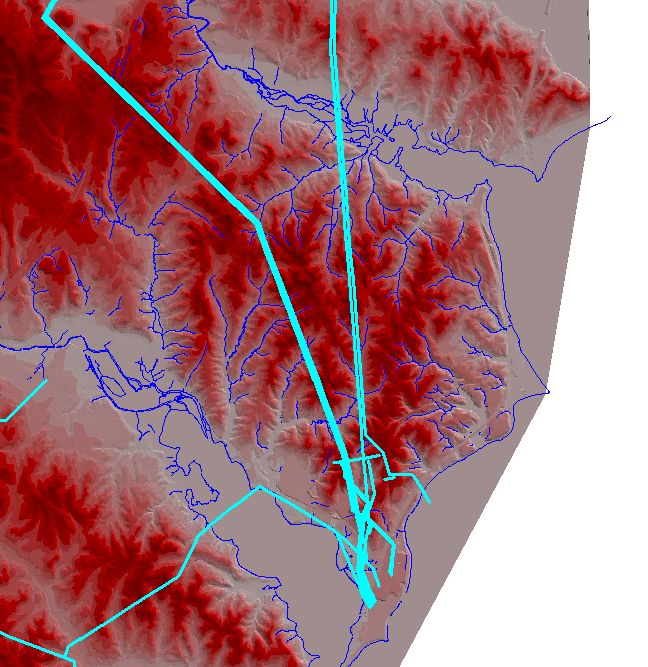
National Geographic map
showing landslide susceptability.
Red = High Risk

Click on map for large view.

Click here to visit the National Geographic online mapper.


More Maps:

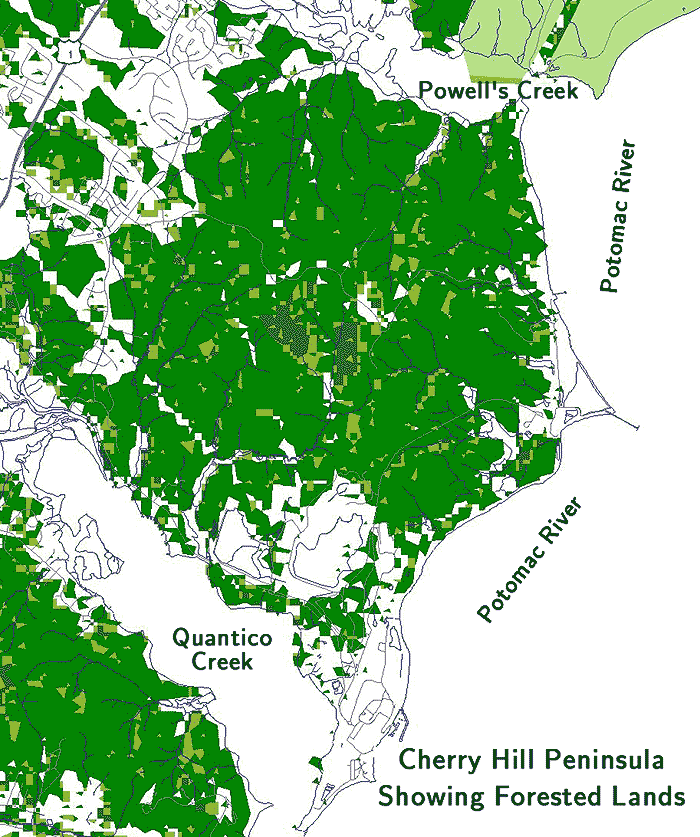
Map Showing Forested Land
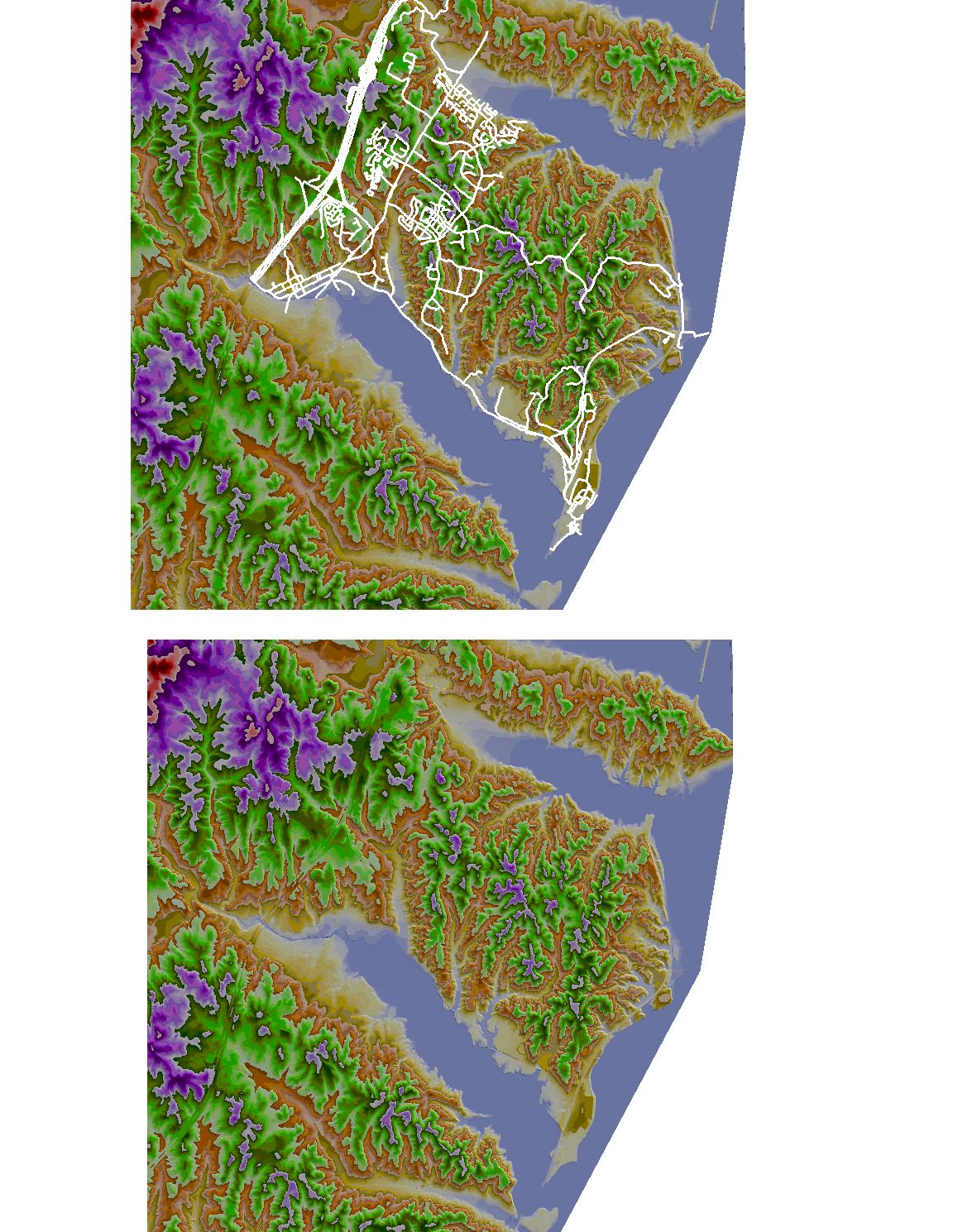
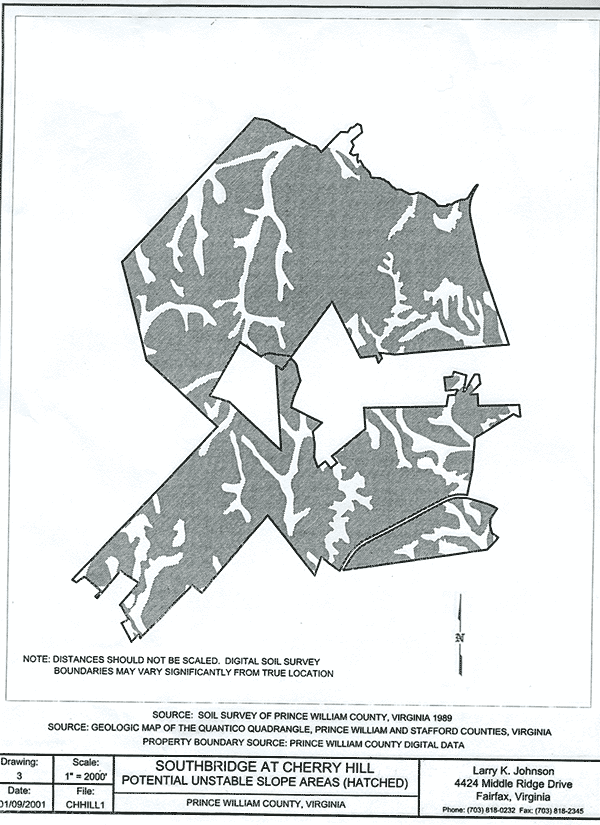
Map Showing Potential Unstable Slopes
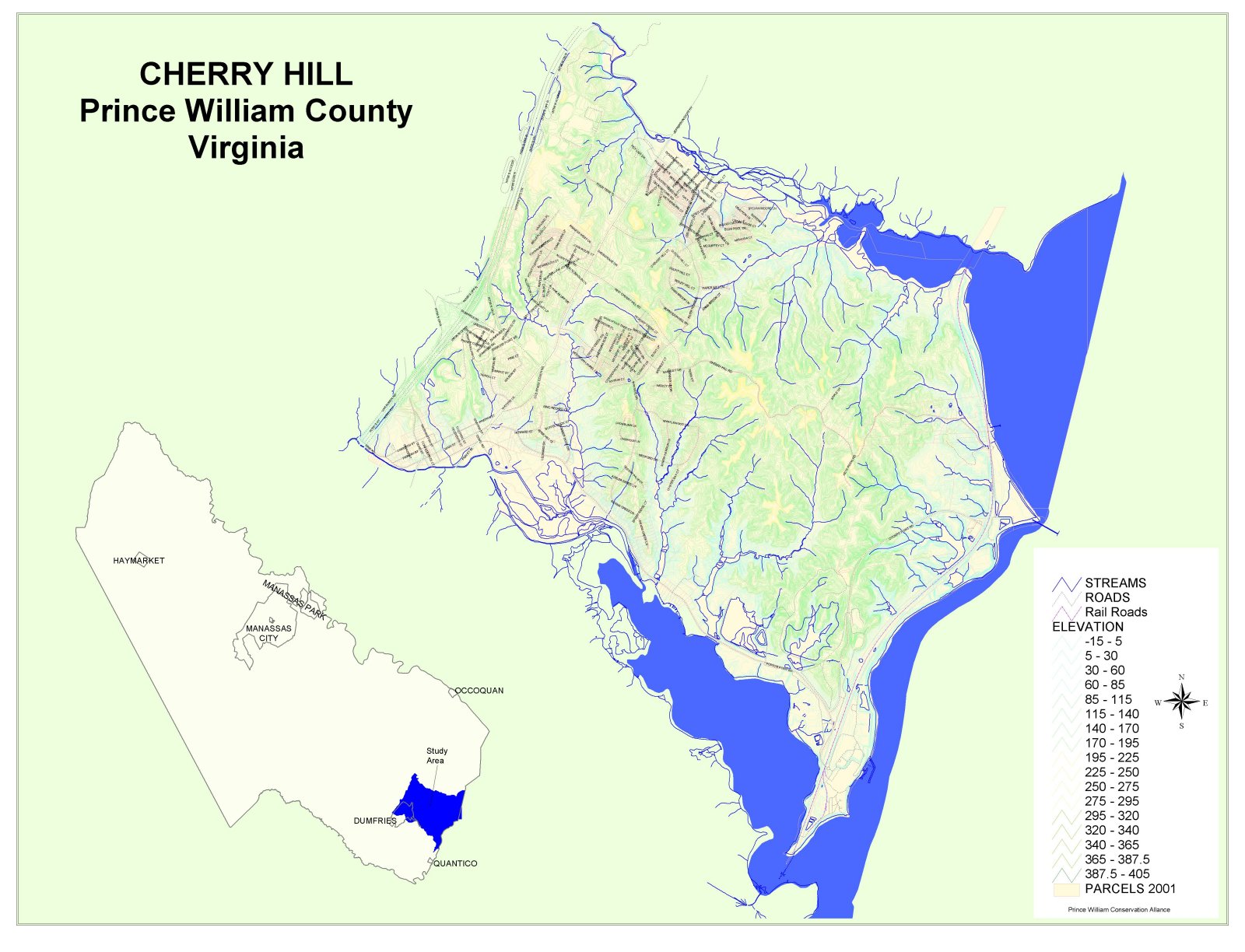
Map Showing Parcel Information


Development Plan Status
Click Here to Read What's All the Fuss About?

December 1 2004, 7:00 p.m. at the McCoart Government Center -- The Planning Commission reconsidered their previous denial of the proposed site plan for the area north of old Cherry Hill Road, adjacent to Powell's Creek and the Potomac River. There was no public hearing or opportunity for citizen input. The Planning Commission approved the subdivision plan by a 6-2 vote. Voting to approve: Bryant (Woodbridge), Burgess (Brentsville), Fry (Dumfries), Holley (Neabsco), Gonzales (Coles) and May (At Large). Voting to deny: Hendley (Gainesville); Hosen (Occoquan).
  • On October 20, 2004, the PWC Planning Commission voted to deny the 'new' Cherry Hill/Southbridge/Harbor Station site plan by a 6-1 vote.

Voting to Deny: Bryant (Woodbridge), Burgess (Brentsville), Fry (Dumfries), Gonzales (Coles), Hendley (Gainesville), Hosen (Occoquan). Voting to Approve: Hefter (At Large). Absent from Meeting: Holley (Neabsco). Contact Information.

The Harbor Station site plan showed substantial deviations from the original proffers and approved Master Zoning Plan (MZP). Land bays and roads were substantially realigned, and the golf course was relocated. These changes were not approved through the proper procedure - the proffer amendment process - therefore the written set of rules and commitments approved by the Board of Supervisors do not match the current site plan. The Planning Commission affirmed that, in order to receive a favorable review, the proposed site plan should match the approved proffers and MZP, and not show significant deviations from the development package approved by the Board of Supervisors.

The Planning Commission denial of the proposed site plan means that the developer, KSI Services, must determine next steps. Options include: (1) Complete a proffer amendment and resubmit the site plan; (2) Submit a site plan that is consistent with the original proffers and MZP; or (3) Appeal the Planning Commission decision in Circuit Court, which must be filed within sixty days of the site plan denial.

  • On November 3, the Planning Commission voted unanimously to reconsider their vote to deny the Cherry Hill/Southbridge/Harbor Station site plan and then voted to defer the application until the December 1 meeting. The Planning Commission requested Planning staff to provide additional information on deviations from the original proffers and Master Zoning Plan, including a matrix comparing land bay uses and phasing commitments.


Public information and transparent government processes are at the heart of the current controversy surrounding the Cherry Hill/Southbridge/Harbor Station development proposal. Recent news highlighting site plan problems in Prince William, including Saratoga Hunt and the Horton development adjacent to Rippon Landing, have generated considerable rhetoric from public officials. Regardless, government officials continue to be reluctant to share information or initiate the appropriate public process needed to resolve the issues.

It's easy to see the similarities between current Cherry Hill issues and Saratoga Hunt. At Saratoga Hunt, the government approved site plan included 14 proffer violations. The developer, Richmond American, went forward with this government approved plan, secured permits from the Dept. of Environmental Quality (DEQ) for stream impacts that violated proffered commitments and began construction.

After construction began at the site, government inspectors failed to catch the violations because they did not have a copy of the proffers. Inspectors relied on the approved site plan and had no way of knowing this plan included major proffer violations. Instead, the responsibility fell to citizens who quickly observed the clearing of preservation areas among other violations. A considerable citizen outcry was needed before government initiated efforts to address the violations.

The first response from Richmond American focused on the government approval of a site plan that included proffer violations. Richmond American claimed government approval of this flawed plan changed the proffers. Ultimately this did not hold water because only the Board of Supervisors can change approved proffer commitments. Neither government staff nor the Planning Commission has the authority.

In the end, government efforts to mitigate damages from the violations at Saratoga Hunt were successful. Richmond American agreed to address impacts caused by the violations in a negotiated settlement package valued at $1.1 million. The Board of Supervisors Resolution accepting the settlement package with Richmond American included considerable commitments to process reform. Click here to read the resolution yourself.

Does the rhetoric match the reality? Now the County is struggling with similar issues at Cherry Hill and it's like deja vu all over again. The current site plan for the Cherry Hill/Southbridge/Harbor Station development deviates considerably from the proffered commitments. Regardless of lessons learned at Saratoga Hunt and citizen questions about process shortfalls, the Board of Supervisors has not taken action to ensure that the proposed changes receive the appropriate public review before receiving government approval.

The government response to concerns about Cherry Hill issues includes little to show officials are serious about commitments to process reform. Instead, the public is distracted with vague comments about "smart growth" and talk of economic development opportunities associated with a proposed 234-room hotel/conference center at Cherry Hill. But what about the 240-room hotel and conference center announced for the nearby Belmont Bay Town Center in March 2002 that's still waiting in the wings? Are elected officials now promoting a competing resource before the original plan has been achieved? This raises questions about the value of County policies that dilute existing economic development goals.

"Smart growth" is a popular buzz word for government and elected officials. During the last Board of Supervisors election, every candidate ran on a "smart growth" platform. Although exactly what "smart growth" means in Prince William is often discussed, one thing is obvious: "smart growth" is about involving citizens . . . because that's what citizens want.

The Board of Supervisors has never heard what the public has to say about the proposed changes to the Cherry Hill/Southbridge/Harbor Station development plan. However, during the rezoning of this property, the Board had considerable input from the public. Hundreds of citizens attended the public hearing to oppose the development and the dialogue continued until nearly 4:00 a.m., when the Board voted to approve the developers plan regardless of the community outcry. Perhaps if Prince William elected officials were more receptive to public input, they would have taken the time to listen to people in the beginning and achieved a better development plan.

Right now, the questions are not about whether or not to develop the Cherry Hill Peninsula. The previous Board decision to approve a development plan ensures that the Cherry Hill Peninsula will be developed. Rather, the questions are focused on whether the development plan approved by the Board will match what is actually constructed at this critical site.

The 2004 Capital Improvement Plan budget shows that developer contributions account for only about 3% of costs for the infrastructure needed to support additional development. Developers have stated that this figure falls short of their actual contribution. Regardless, even if the 3% figure is understated significantly, it's clear that Prince William citizens pay the lion's share of costs to construct infrastructure needed to accommodate new development.

When the Board approved the Cherry Hill development plan, they committed Prince William taxpayer dollars toward funding construction of the schools, roads and other infrastructure needed to support the development. Now the developer is proposing significant changes to the plan and, once again, the public is excluded from participation in decision making processes.

Recent history shows that Prince William has difficulties ensuring that the reality matches the rhetoric. For example, although the original plans for Cherry Hill focused on high quality retail and not outlet retail such as K-Mart (Washington Business Journal, Feb. 16 2001), a Wal-Mart now sits at the entrance to the development. Given the lack of transparency in government processes, how can the public be assured that we're getting what we pay for?

Process reform is a win-win situation. Increased government capacity to manage development projects adds credibility to developer proposals and increases citizen (customer) confidence in the system. Better public information sharing creates trust and helps replace rhetoric with solutions to create a better Prince William. With no visible end to rezoning requests and a backlog of projects in the pipeline, now is the time to ensure that Prince William has the resources to effectively manage development in a manner that supports long-range goals.


Development of the Cherry Hill Peninsula: Southbridge/Harbor Station Project
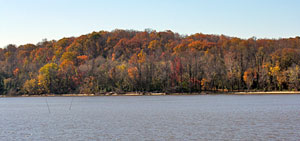
Cherry Hill Peninsula Potomac River shoreline area planned for a "town center." Photo taken from Bushy Point at Leesylvania State Park, October 2004.

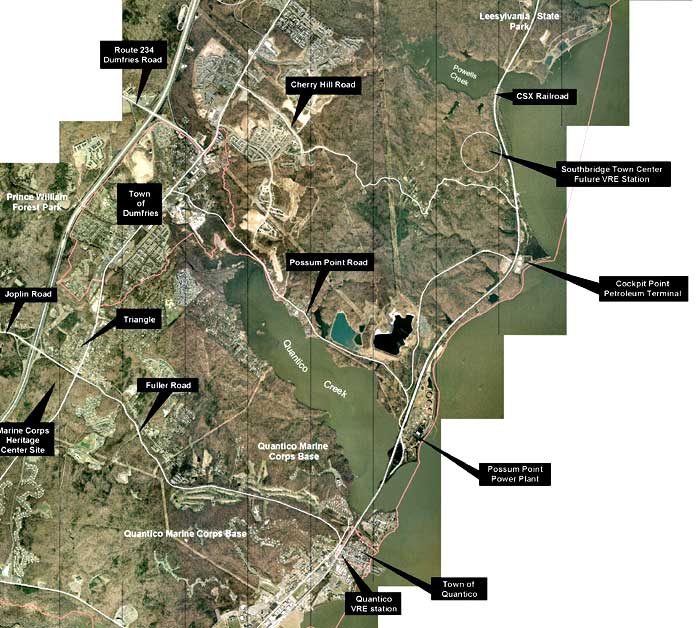
In January 2001 the Prince William County Board of Supervisors approved two rezonings and one special use permit for 1740-acres located on the Cherry Hill Peninsula (adjacent to the Potomac River between Powells and Quantico Creeks).

Voting to Deny: Connaughton (At Large), Caddigan (Dumfries), Griggs (Occoquan).
Voting to Approve: Barg (Woodbridge), Jenkins (Neabsco), Hill (Coles), Wilbourn (Gainesville), Thompson (Brentsville).

The approved development package included:

  • 2,600 homes
  • 3.7 million sq. feet of office and retail
  • 18-hole golf course
  • 40% of site committed to 'undisturbed space' (includes power line easements, school and library grounds, other common space)
  • Elementary school
  • Community fitness facilities (with related retail)
  • Public library
  • Cultural arts center
  • Equestrian center
  • Extensive proffer packages included phasing for development over 20-year period.


Why is the Cherry Hill Peninsula Environmentally Significant?
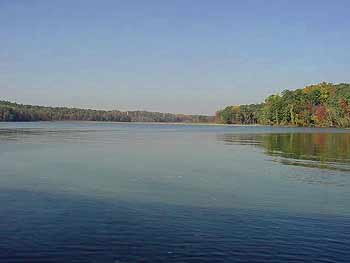
Powell's Creek taken from the railroad bridge crossing Leesylvania State Park, showing the Cherry Hill Peninsula to the left
The Cherry Hill Peninsula is one the few remaining forested tracts of significant size in eastern Prince William County. This 1,800-acre forest is also the last large riparian forest along Northern Virginia's Potomac River shoreline. As such, both the environmental and economic value of this area has become increasingly significant.

Populations of many forest avian species, such as vireos, warblers, and wild turkeys, have declined due to increased fragmentation. As many as 35 species of warblers, 25 species of ducks, geese, and swans, 24 species of raptors, 15 species of sparrows and many other avian species use the area during migration and nesting. Currently an pair of endangered bald eagles nest in the northern section of this peninsula.

The site provides habitat for a wide variety of native plant species, including the endangered small whorled pogonia ( Isotria medeoloides ). All of the mammal species native to Virginia's coastal plain may be found on the Cherry Hill Peninsula. The Powell's Creek and Quantico Creek estuaries provide nurseries for aquatic organisms and make a significant contribution to the health of the Potomac River and the Chesapeake Bay. Prince William's rampant development has resulted in small remaining pieces of ecosystems so isolated that some plant and animal populations can no longer survive.

Regionally, Cherry Hill provides a critically important link in the chain of threatened ecological communities along the tidal Potomac. The loss of this area to development is likely to have a cumulative negative impact on the viability of natural systems well beyond the peninsula itself. The undeveloped Cherry Hill Peninsula significantly enhances the value of the use another word. of the Mason Neck National Wildlife Refuge, the Occoquan Bay National Wildlife Refuge and Leesylvania State Park, relatively small areas that are becoming increasingly isolated by development.


Pertinent Information


News