Prince William Conservation Alliance
 
Home About Us Calendar Blog Resources Donate
  Nearby Nature - Northern Virginia Dragonflies & Damselflies  
 
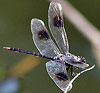
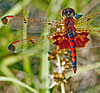
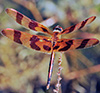
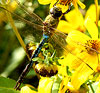
Skimmers (Family Libellulidae) - This is a large and common group of dragonflies. Skimmers get their name from the behaviour of females, which skim across the waters surface periodically dipping the tip of the abdomen into the water to deposit eggs. These are large, showy dragonflies with long wings that are often brightly colored. Males are usually more colorful than females. Most skimmer species live around slow moving water, such as ponds and wetland pools.
 
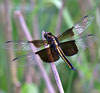
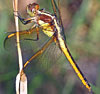
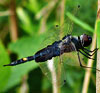
Widow Skimmer
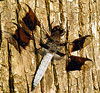
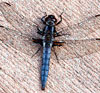
Common Whitetail
1
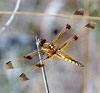
Painted Skimmer Dragonfly
 
1
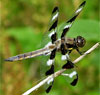
Twelve-spotted Skimmer
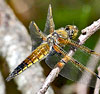
Four-spotted Skimmer
Blue Corporal
           
Spangled Skimmer
 
Needham"s Skimmer
Great BLue Skimmer
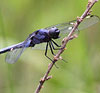
Slaty Skimmer
Yellow-sided Skimmer
Golden-winged Skimmer
           
 
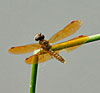
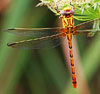
Eastern Amberwing
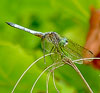
Blue Dasher
Eastern (Common) Pondhawk
 
Four-spotted Pennant
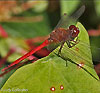
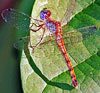
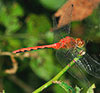
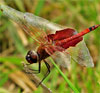
Ruby Meadowhawk
Black Saddlebags
Four-spotted Pennant


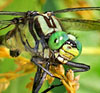
Clubtails (Family Gomphidae)
 
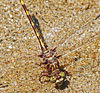
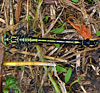
Russet-tipped Clubtail
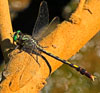
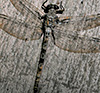
Ashy Clubtail
       
 
DAMSELFLIES
   
Broad-wing Damselflies (Family Calopterygidae): Large and showy, members of this family have rounded wings that are not sharply narrowed at the base. Most species have black or half-black wings. All live near streams where they are usually found perched horizontally on vegetation fairly low to the ground.
 
Ebony Jewelwing


Spreadwing Damselflies (Family Lestidae): Large, slender damselflies with clear wings. They prefer prefer still water habitats, although some species can be found near slow-moving water. They hold their wings partly open when perched, usually on stems with their body angled down.
Southern Spreadwing


Pond Damselflies (Family Coenagrionidae):The largest group of damselflies in our area, nearly all species have clear wings that narrow at the base. Small to medium-sized, they typically perch horozontally with their wings pressed together over the back. While many are found near ponds, members of this diverse family frequent a variety of habitats, including wetlands and streams.
 
Atlantic Bluet
Familiar Bluet
Ramuer's Forktail