| |
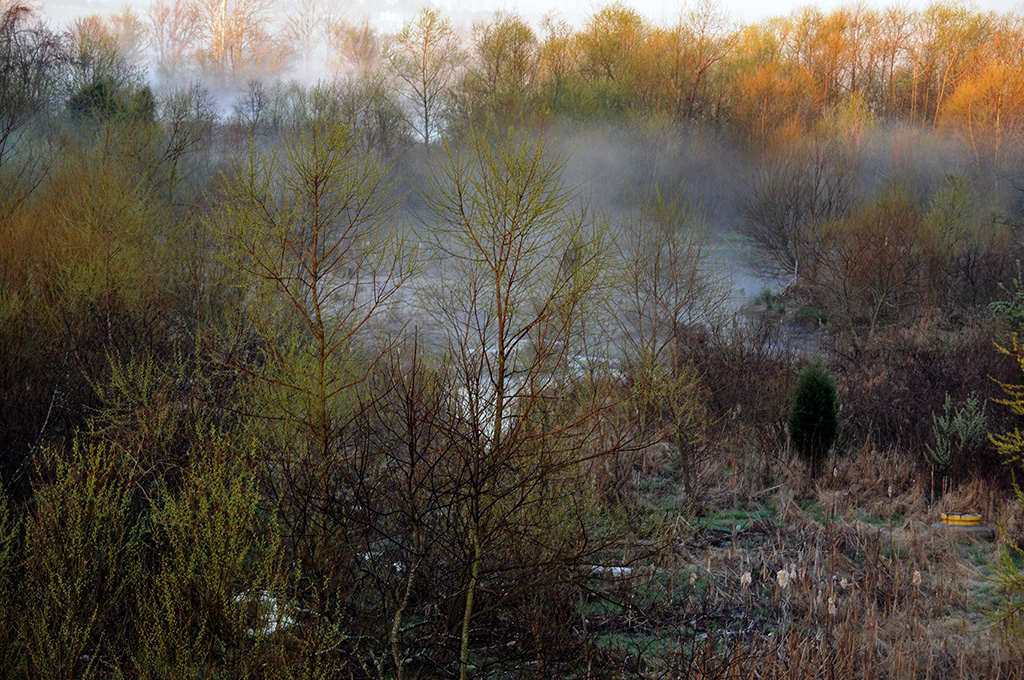
The Route 234 Wetland Mitigation Area is 89 acres of forested and emergent wetlands protected by an upland corridor. This site was developed by the Virginia Dept. of Transportation (VDOT)to replace wetlands and wildlife habitats lost to the construction of the Route 234 Bypass.
As part of the mitigation requirements, VDOT was required to replace any wetlands lost to road construction by creating twice as many forested wetlands, 1.5 times as many shrub-scrub wetlands and an equal amount of emergent wetlands. The mitigation areas were clustered together to form one large wetland area, instead of many small and fragmented wetlands.
Original plantings included a variety of shrubs and hardwood trees adapted to wetland conditions, including red maple, sycamore, pin oak, willow oak, green ash, button bush and black willow. A variety of rushes and sedges were planted along with wildflowers such as hibiscus. Over time the site has matured and other native plants have begun to colonize the area, including Birdfoot Violets we saw on our April 2009 tour.
Permanently protected by a conservation easement, the Route 234 Wetland Mitigation Area preserves both upland and wetland habitats and is quickly becoming a refuge for wildlife in a rapidly developing area.
|
|
| |
Route 234 Wetland Mitigation Area Preliminary Bird List
90 Species ... download Excel spreadsheet here.
| Species |
06/14/08 |
10/04/08 |
12/14/08 |
04/18/09 |
06/07/14 |
| BITTERNS, EGRETS, HERONS |
|
|
|
|
|
| Great Blue Heron, (PR) |
8 |
6 |
|
5 |
9 |
| Green Heron (SR) |
3 |
|
|
|
1 |
| VULTURES |
|
|
|
|
|
| Black Vulture, (PR) |
|
2 |
4 |
2 |
|
| Turkey Vulture (PR) |
2 |
1 |
2 |
1 |
|
| GEESE, SWANS, DUCKS |
|
|
|
|
|
| Canada Goose (PR) |
|
15 |
54 |
4 |
3 |
| Wood Duck (PR) |
7 |
2 |
|
2 |
3 |
| American Black Duck (WR) |
|
|
2 |
|
|
| Mallard (PR) |
|
5 |
30 |
3 |
5 |
| EAGLES, HAWKS |
|
|
|
|
|
| Bald Eagle (PR) |
|
|
|
1 |
|
| Sharp-shinned Hawk (WR) |
|
1 |
|
|
|
| Cooper’s Hawk (WR) |
|
1 |
|
|
|
| Red-shouldered Hawk (PR) |
1 |
2 |
1 |
2 |
1 |
| Red-tailed Hawk (PR) |
|
|
2 |
1 |
|
| FALCONS |
|
|
|
|
|
| Merlin (T) |
|
|
1 |
|
|
| PLOVERS |
|
|
|
|
|
| Killdeer (PR) |
1 |
2 |
|
1 |
1 |
| SANDPIPERS |
|
|
|
|
|
| Greater Yellowlegs (T) |
|
|
|
6 |
|
| Lesser Yellowlegs (T) |
|
|
|
1 |
|
| Solitary Sandpiper (T) |
|
|
|
1 |
|
| DOVES |
|
|
|
|
|
| Rock Pigeon (PR) |
|
30 |
|
3 |
|
| Mourning Dove (PR) |
5 |
10 |
|
4 |
8 |
| CUCKOOS |
|
|
|
|
|
| Yellow-billed Cuckoo |
|
|
|
|
2 |
| TYPICAL OWLS |
|
|
|
|
|
| Barred Owl (PR) |
1 |
|
|
|
|
| SWIFTS |
|
|
|
|
|
| Chimney Swift (SR) |
|
|
|
1 |
5 |
| KINGFISHERS |
|
|
|
|
|
| Belted Kingfisher (PR) |
1 |
1 |
2 |
1 |
|
| WOODPECKERS |
|
|
|
|
|
| Red-bellied Woodpecker (PR) |
2 |
6 |
|
1 |
1 |
| Yellow-bellied Sapsucker (WR) |
|
|
|
1 |
|
| Downy Woodpecker (PR) |
1 |
7 |
1 |
1 |
2 |
| Hairy Woodpecker (PR) |
|
1 |
|
|
|
| Northern Flicker (PR) |
2 |
7 |
2 |
25 |
1 |
| FLYCATCHERS |
|
|
|
|
|
| Acadian Flycatcher (SR) |
1 |
|
|
|
|
| Willow Flycatcher (SR) |
4 |
|
|
|
2 |
| Eastern Phoebe (SR) |
1 |
8 |
|
1 |
2 |
| Great-crested Flycatcher (SR) |
3 |
|
|
|
3 |
| Eastern Kingbird (SR) |
1 |
|
|
|
2 |
| VIREOS |
|
|
|
|
|
| White-eyed Vireo (SR) |
2 |
|
|
|
3 |
| Red-eyed Vireo (SR) |
3 |
1 |
|
|
1 |
| CROWS |
|
|
|
|
|
| Blue Jay (PR) |
|
110 |
1 |
8 |
7 |
| American Crow (PR) |
2 |
60 |
1 |
|
|
| Fish Crow (PR) |
|
|
4 |
1 |
1 |
| SWALLOWS |
|
|
|
|
|
| Tree Swallow (SR) |
2 |
|
|
5 |
|
| N. Rough-winged Swallow (SR) |
2 |
|
|
4 |
5 |
| Barn Swallow (SR) |
6 |
|
|
2 |
8 |
| CHICKADEES, TITMICE |
|
|
|
|
|
| Carolina Chickadee (PR) |
1 |
7 |
3 |
4 |
7 |
| Tufted Titmouse (PR) |
3 |
6 |
|
3 |
2 |
| NUTHATCHES |
|
|
|
|
|
| White-breasted Nuthatch (PR) |
|
2 |
|
|
|
| WRENS |
|
|
|
|
|
| Carolina Wren (PR) |
2 |
12 |
5 |
2 |
1 |
| House Wren (SR) |
|
1 |
|
1 |
1 |
| GNATCATCHERS |
|
|
|
|
|
| Blue-gray Gnatcatcher (SR) |
3 |
|
|
8 |
18 |
| THRUSHES |
|
|
|
|
|
| Eastern Bluebird (PR) |
3 |
20 |
1 |
|
|
| Wood Thrush (SR) |
1 |
|
|
|
|
| American Robin (SR) |
3 |
12 |
2 |
7 |
5 |
| MIMIDS, THRASHERS |
|
|
|
|
|
| Gray Catbird (SR) |
|
6 |
|
|
1 |
| Northern Mockingbird (PR) |
2 |
2 |
2 |
2 |
1 |
| Brown Thrasher (SR) |
1 |
|
|
3 |
1 |
| STARLINGS |
|
|
|
|
|
| European Starling (PR) |
3 |
8 |
|
|
4 |
| WAXWINGS |
|
|
|
|
|
| Cedar Waxwing (PR) |
5 |
|
|
|
3 |
| WARBLERS |
|
|
|
|
|
| Tennessee Warbler (T) |
|
2 |
|
|
|
| Nashville Warbler (T) |
|
2 |
|
|
|
| Northern Parula (SR) |
|
2 |
|
1 |
|
| Magnolia Warbler (T) |
|
3 |
|
|
|
| Black-throated Blue Warbler (T) |
|
2 |
|
|
|
| Yellow-rumped Warbler (WR) |
|
2 |
2 |
3 |
|
| Black-throated Green Warbler (T) |
|
4 |
|
|
|
| Blackburnian Warbler (T) |
|
1 |
|
|
|
| Prairie Warbler (SR) |
2 |
|
|
|
|
| Palm Warbler (T) |
|
14 |
|
|
|
| Black-and-White Warbler (SR) |
|
1 |
|
|
|
| American Redstart (SR) |
|
1 |
|
|
|
| Common Yellow-throat (SR) |
8 |
8 |
|
3 |
8 |
| Yellow-breasted Chat (SR) |
6 |
|
|
|
2 |
| TANAGERS |
|
|
|
|
|
| Scarlet Tanager (SR) |
|
1 |
|
|
|
| SPARROWS |
|
|
|
|
|
| Eastern Towhee (PR) |
2 |
7 |
2 |
4 |
5 |
| American Tree Sparrow (WR) |
|
|
1 |
|
|
| Chipping Sparrow (SR) |
|
|
|
1 |
1 |
| Field Sparrow (PR) |
3 |
10 |
4 |
7 |
3 |
| Savannah Sparrow (WR) |
|
|
1 |
|
|
| Song Sparrow (PR) |
5 |
30 |
39 |
6 |
1 |
| Swamp Sparrow (WR) |
|
|
10 |
12 |
|
| White-throated Sparrow (WR) |
|
|
47 |
8 |
|
| White-crowned Sparrow (WR) |
|
|
2 |
|
|
| CARDINALS, GROSBEAKS, BUNTINGS |
|
|
|
|
|
| Northern Cardinal (PR) |
4 |
10 |
6 |
6 |
1 |
| Blue Grosbeak (SR) |
2 |
3 |
|
|
2 |
| Indigo Bunting (SR) |
6 |
15 |
|
|
7 |
| BLACKBIRDS, ORIOLES |
|
|
|
|
|
| Red-winged Blackbird (PR) |
12 |
2 |
78 |
12 |
21 |
| Eastern Meadowlark (PR) |
|
|
|
3 |
|
| Common Grackle (PR) |
40 |
6 |
|
8 |
46 |
| Brown-headed Cowbird (PR) |
2 |
|
|
8 |
|
| Orchard Oriole (SR) |
6 |
|
|
|
11 |
| Baltimore Oriole (SR) |
|
|
|
1 |
|
| GROSBEAKS, FINCHES |
|
|
|
|
|
| House Finch (PR) |
|
2 |
|
|
|
| American Goldfinch (PR) |
6 |
20 |
4 |
8 |
3 |
| TOTALS |
48 |
55 |
31 |
51 |
47 |
|
|